 JN
Pooja & Health
JN
Pooja & Health
Quick Commerce Growth
Turning platform presence into platform demand.
Quick Commerce build-out across catalogue, availability and paid visibility.
"draft": false for this brand in src/data/case-studies.json to remove this notice.


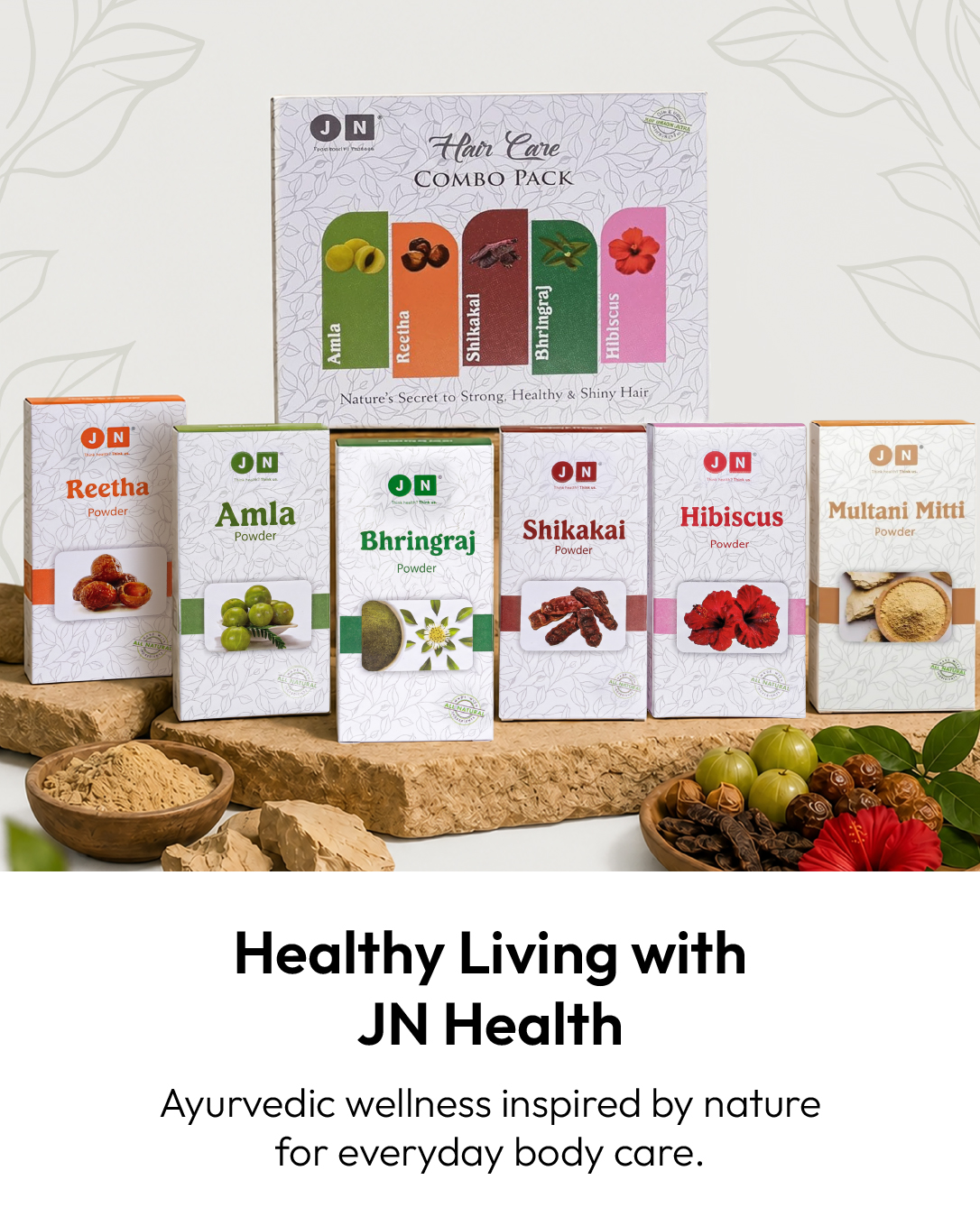
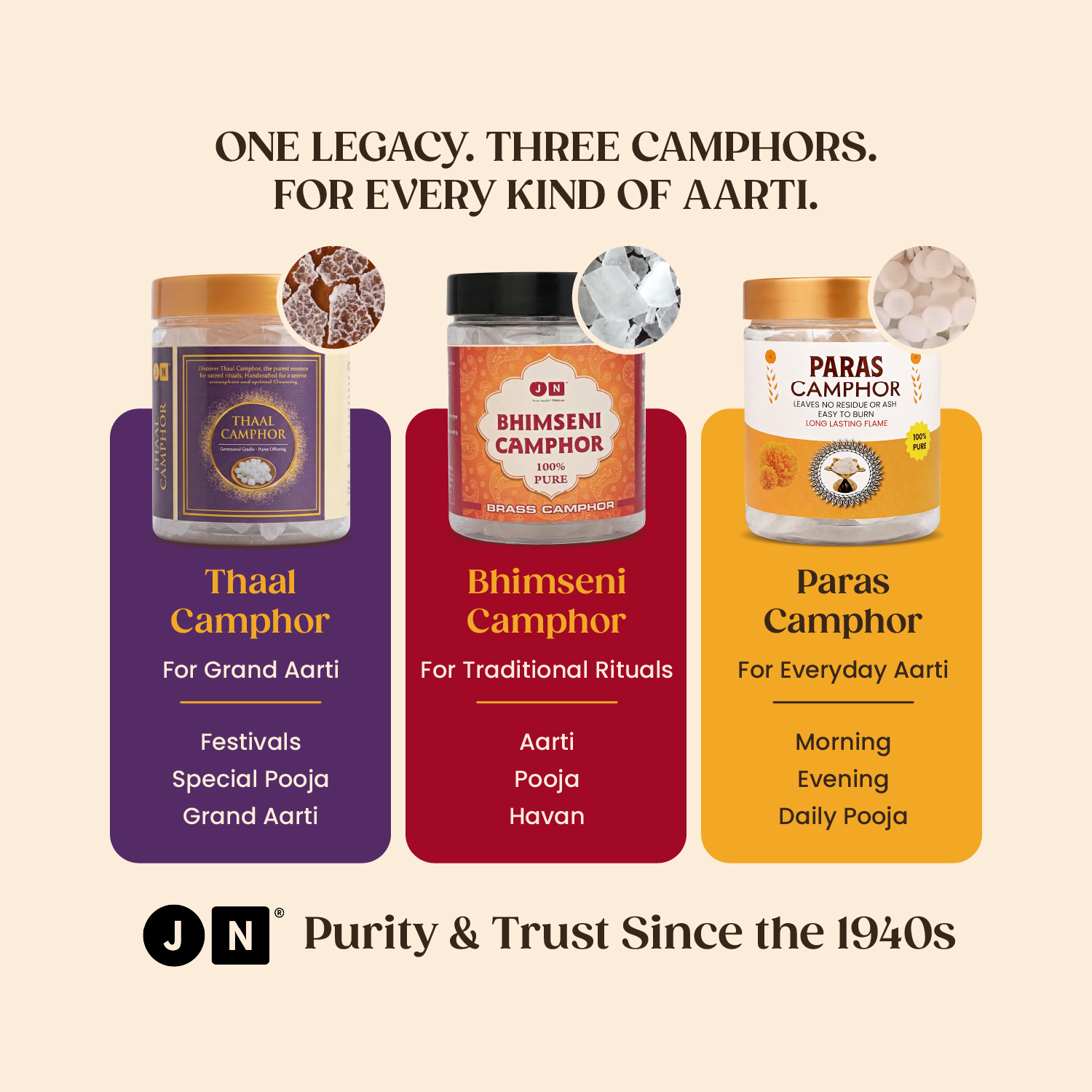
Category shelf
1/4
Quick Look
01
The Brand
EDIT — One or two lines on who JN is and what they sell. Real information only.
02
The Opportunity
Products were live across the major platforms, but demand was being captured by competitors on the category terms that actually drive discovery.
03
What We Did
Rebuilt the catalogue against real search behaviour, closed availability gaps city by city, and restructured paid media around category terms rather than brand terms.
04
The Outcome
EDIT — The outcome in one line, once the client has confirmed it in writing.
Our Process
Find the real problem first.
Every engagement starts by identifying what is actually limiting growth. Executing against the wrong diagnosis is the most expensive thing a brand can do on Quick Commerce.
- Products were live on platform but not being found. Listings existed; discoverability did not.
- Search terms in the category were being won by competitors, so paid spend was doing the work that organic visibility should have been doing.
- Availability gaps at the darkstore level were quietly cancelling out demand generated upstream.
The account did not have a demand problem. It had a discovery and availability problem that paid spend was masking.
- Share of search sat almost entirely on brand terms. Outside people already looking for JN, the brand was close to invisible.
- Listing content was written for a catalogue, not for the two seconds a shopper spends on a tile.
- Availability was inconsistent at darkstore level, so impressions were being bought against stock that could not always convert.
Where the gaps wereSeverity
Highlighted levers were worked directly during this partnership.
Sequenced so that each fix made the next one worth doing — catalogue before spend, availability before scale.
- Rebuilt the catalogue against how shoppers actually search the category — titles, attributes, imagery and variant structure.
- Mapped availability city by city and worked back through inventory and platform-side blockers.
- Restructured the ad account around category terms rather than brand terms, with bids set against contribution rather than ROAS alone.
- Set up a weekly operating rhythm: availability, share of search, spend efficiency, reviewed on the same dashboard.
- 01 Diagnose
- 02 Implement
- 03 Optimise
- 04 Scale
The Result
EDIT — The result in one line, written for this brand. No generic claims.
results.metrics for this brand in
src/data/case-studies.json and rebuild — for example
{"value":"30","suffix":"%","label":"Revenue growth"}.
Partnership-level averages are published on the case studies page.
The thinking behind the work
EDIT — Founder name
Founder, Serensynth Labs
Quick Commerce isn't won by being everywhere. It's won by being operationally right where demand already exists.
EDIT — Two or three lines of real professional background. Where they worked, what they built, how long they have been operating in Quick Commerce. No invented credentials.
EDIT — Why Serensynth exists. The gap the founder saw that the company was built to close.
What brands most often get wrong
EDIT — The thing brands most commonly get wrong on Quick Commerce, in the founder's own words.
FAQ
Frequently asked questions.
What was the biggest Quick Commerce challenge here?
Being present without being discoverable. Listings existed on every major platform, but the category search terms that drive new demand were being won by competitors.
What did Serensynth change first?
The catalogue. Paid spend against weak listings buys impressions that don't convert, so content and search structure came before any change to media.
Which platforms were involved?
Blinkit, Swiggy Instamart and Zepto. This reflects platform expertise, not an official partnership claim.
What contributed most to the result?
EDIT — Answer once results are confirmed. Keep it specific to what actually moved the number.
How long did the engagement take?
EDIT — Real engagement length.
Can Serensynth do this for another brand?
Yes, though the sequence changes. The diagnosis comes first — the same interventions in the wrong order produce very different results.
Next step
Want to become our next case study?
Tell us where your Quick Commerce business stands today.
Book a Discovery CallMore Work
Explore how we've helped other brands move faster on Quick Commerce.
A small number of partnerships at a time — each one read, diagnosed and operated the same way.





1/3